
"tropical agriculture"
1000 article(s) found
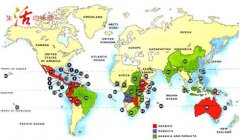
Map of global coffee producing area for the production of boutique coffee beans
Coffee trees grow in tropical or subtropical agricultural gardens centered around the equator and called coffee belts. Most of the coffee production is between the Tropic of Cancer, 25 degrees north of the tropical or subtropical equator and 30 degrees south of the equator. An area with an annual average temperature of 16-25 degrees Celsius, no Frosts Descent and rainfall of 1600-2000 mm.
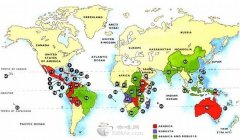
Basic knowledge of Coffee training Global Coffee producing area Map
Coffee trees grow in tropical or subtropical agricultural gardens centered around the equator and called coffee belts. Most of the coffee production is between the Tropic of Cancer, 25 degrees north of the tropical or subtropical equator and 30 degrees south of the equator. An area with an annual average temperature of 16-25 degrees Celsius, no Frosts Descent and rainfall of 1600-2000 mm.
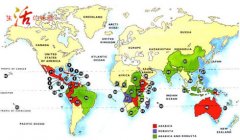
Analysis of global coffee producing area map analysis of coffee bean production area
Coffee trees grow in tropical or subtropical agricultural gardens centered around the equator and called coffee belts. Most of the coffee production is between the Tropic of Cancer, 25 degrees north of the tropical or subtropical equator and 30 degrees south of the equator. An area with an annual average temperature of 16-25 degrees Celsius, no Frosts Descent and rainfall of 1600-2000 mm.
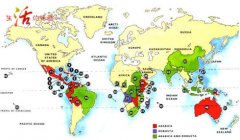
Global Coffee producing countries take a large inventory of where coffee is produced? Each
Coffee trees grow in tropical or subtropical agricultural gardens centered around the equator and called coffee belts. Most of the coffee production is between the Tropic of Cancer, 25 degrees north of the tropical or subtropical equator and 30 degrees south of the equator. An area with an annual average temperature of 16-25 degrees Celsius, no Frosts Descent and rainfall of 1600-2000 mm.

Description of taste and flavor of Ugandan coffee introduction to manors of variety producing areas
The taste and flavor of Ugandan coffee is described by the variety producing area. Africa is the hometown of the two major varieties of coffee, Arabica and Robusta, while Uganda, which is located in eastern Africa, which enjoys the reputation of plateau water and the pearl of East Africa, is believed by many people as the birthplace of Robusta. Uganda is one of the few countries in the world that can grow both Arabica and Robusta.

The respective expressions and questions of the introduction years of Zhukula Coffee in Chinese Coffee Culture
1.1 I remember that it was still the spring of 1995, when Professor Mao Genhai of the former South China Hot farming Academy and I went to Xishuangbanna, Yunnan Province. I had the honor to see Huang Junxiong and Zhang Xingcan, Institute of Tropical and Subtropical Coffee, Yunnan Academy of Agricultural Sciences, published a paper on the development of Yunnan coffee in 1994 in the third issue of Tropical crop Science and Technology, from which we got the information about the earliest introduction of Yunnan coffee.

History of Coffee planting in the early stage of Coffee introduction and expansion in China (2)
1. The presentation of the respective expressions and questions of Zhu Kula Coffee 1.1 I remember that it was still the spring of 1995, when Professor Mao Genhai of the former South China Hot farming Academy and I visited Xishuangbanna, Yunnan Province. I had the honor to see the review and prospect of Yunnan coffee development published in the third issue of Tropical crop Science and Technology in 1994 by Huang Junxiong and Zhang Xingcan, Institute of Tropical and Subtropical Economic crops, Yunnan Academy of Agricultural Sciences
Ten questions on Rainforest Alliance Certification and Agricultural Sustainable Development
Rainforest Alliance Certification and Agricultural Sustainable Development Q 10: 1. Where can I buy rainforest certified products? The seal logo of Rainforest Alliance certification can be seen on the packaging of most brands and professional products, and retailers of certified products have covered Europe, the United States, Canada, Australia and Japan. Click to view the retailer list 2. How to obtain certification? If you are a
What is the rainforest certification of coffee beans? high-quality coffee beans and the Environmental Rainforest Alliance.
Rainforest Alliance Overview Rainforest Alliance (RA) was founded in 1987, headquartered in New York, USA. It is not only a non-profit international non-governmental environmental protection organization, but also the largest and most authoritative professional FSC certification organization recognized by FSC. Its mission is to protect global ecosystems and make a living by changing land use patterns, business and consumer behavior.

The history of growing coffee beans in Vietnam-the price of G7 coffee in Vietnam
Vietnam's history of growing coffee beans-Vietnam G7 coffee prices Vietnam's geographical location is very favorable for coffee cultivation, southern Vietnam has a hot and humid tropical climate, suitable for growing ROBUSTA coffee, the north is suitable for growing ARABICA coffee. Coffee production in Vietnam has the following characteristics: (1) because there is no effective way to deal with fallen leaves, medium seed was selected in the early 1980s.

Vietnam Coffee Bean History G7 Price Brand Flavor description introduction to the planting environment of the producing area
Vietnam Coffee Bean History G7 Price Brand Flavor description Taste producing area introduction Nhan graduated in 1967 and then returned to Vietnam to start working at Nghe's PhuQuy Rainforest Agricultural Research Station (PhuQuayTropicalCropResearchStation). The Tropical Rainforest Agricultural Research Station is a research organization under the Department of Agriculture, and they then worked with the Vietnamese government to figure out how to
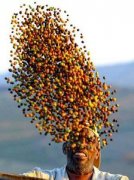
Coffee trees grow around the equator.
Coffee trees grow in tropical or subtropical agricultural gardens centered around the equator and called coffee belts. Most of the coffee production is between the Tropic of Cancer, 25 degrees north of the tropical or subtropical equator and 30 degrees south of the equator. An area with an annual average temperature of 16-25 degrees Celsius, no Frosts Descent and rainfall of 1600-2000 mm. At present, coffee is mainly produced by seven countries.
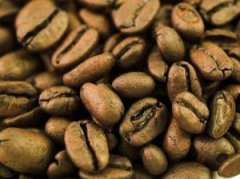
Where is the basic knowledge of boutique coffee?
Coffee trees grow in tropical or subtropical agricultural gardens centered around the equator and called coffee belts. Most of the coffee production is between the Tropic of Cancer, 25 degrees north of the tropical or subtropical equator and 30 degrees south of the equator. An area with an annual average temperature of 16-25 degrees Celsius, no Frosts Descent and rainfall of 1600-2000 mm. At present, coffee is mainly produced by seven countries.

Coffee belt coffee trees grow at the center of the equator
Coffee trees grow in tropical or subtropical agricultural gardens centered around the equator and called coffee belts. Most of the coffee production is between the Tropic of Cancer, 25 degrees north of the tropical or subtropical equator and 30 degrees south of the equator. An area with an annual average temperature of 16-25 degrees Celsius, no Frosts Descent and rainfall of 1600-2000 mm. At present, coffee is mainly produced by seven countries.
Boutique Coffee Science detailed explanation of Coffee Belt (COFFEE WORLD MAP)
Coffee trees grow in tropical or subtropical agricultural gardens centered around the equator and called coffee belts. Most of the coffee production is between the Tropic of Cancer, 25 degrees north of the tropical or subtropical equator and 30 degrees south of the equator. An area with an annual average temperature of 16-25 degrees Celsius, no Frosts Descent and rainfall of 1600-2000 mm. At present, coffee is mainly produced by seven countries.

Coffee Belt (COFFEE WORLD MAP) Coffee trees grow around the equator
Coffee trees grow in tropical or subtropical agricultural gardens centered around the equator and called coffee belts. Most of the coffee production is between the Tropic of Cancer, 25 degrees north of the tropical or subtropical equator and 30 degrees south of the equator. An area with an annual average temperature of 16-25 degrees Celsius, no Frosts Descent and rainfall of 1600-2000 mm. At present, coffee is mainly produced by seven countries.
More than 70 countries produce coffee, but the vast majority of the supply comes from Brazil, Vietnam and Colombia
Although many top coffee-producing countries are well known, some people may be surprised. The coffee tree is a tropical evergreen shrub that grows between the tropics and Capricorn. The climate and conditions must be suitable for growing the world's most popular beans.

Sidamo coffee producing area has good inborn conditions and strong tropical fruits with strong Sidamo flavor.
For more information on coffee beans, please follow the Coffee Workshop (Wechat official account cafe_style) Front Street-Sidamo Coffee is located in southern Ethiopia. Sidamo Coffee is a natural decaf coffee with low caffeine content. Sidamo coffee is cultivated between 1400m-2000m above sea level. The industry here is mainly agriculture, coffee.
Yunnan Ruili Coffee Germplasm Garden
Ruili Coffee Germplasm Garden Ruili Coffee Germplasm Garden was established by Dehong Tropical Agricultural Science Research Institute of Yunnan Province in 1992 and was named Ruili Coffee Germplasm Garden by the Ministry of Agriculture in 2009. The main tasks are: collection, introduction, preservation, identification, evaluation and innovative utilization of coffee germplasm resources at home and abroad, and provide germplasm utilization and resources at home and abroad according to regulations.

The price of G7 coffee, a historical brand growing coffee beans in Vietnam.
Nhan, a historic coffee brand that grows coffee beans in Vietnam, graduated in 1967 and then returned to Vietnam to start working at Nghe's PhuQuy Rainforest Agricultural Research Station (PhuQuayTropicalCropResearchStation). The Tropical Rainforest Agricultural Research Station is a research institution under the Department of Agriculture, and they then worked with the Vietnamese government to figure out how to rebuild the war-hit Vietnam.